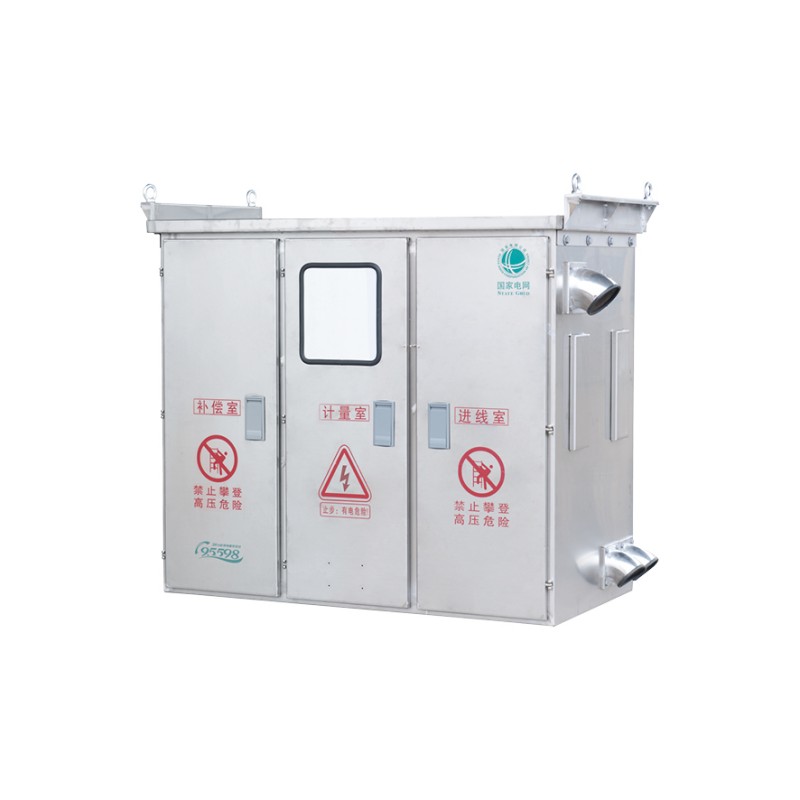
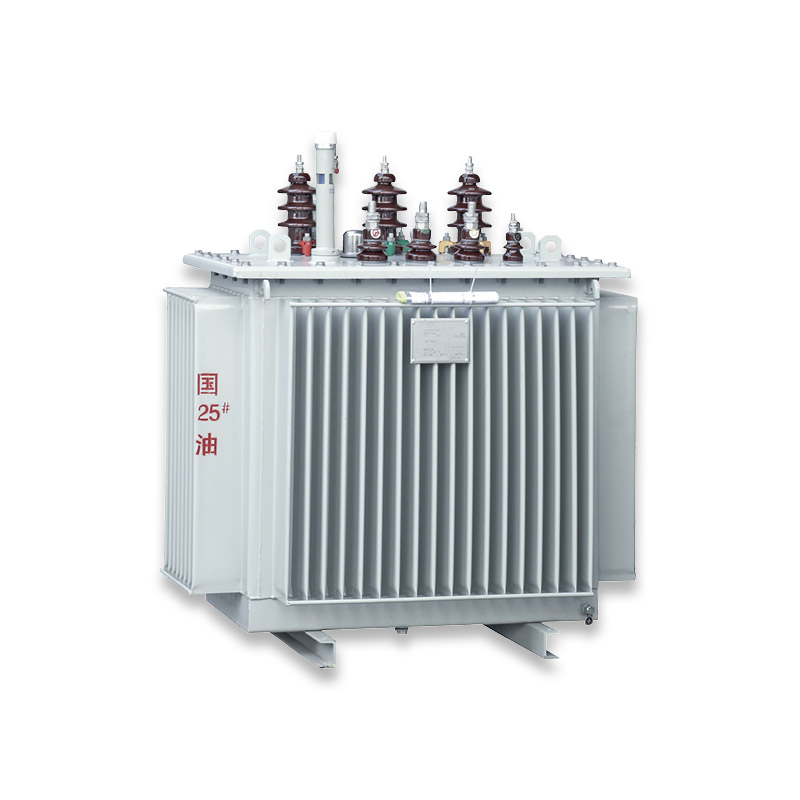
Jinhand Electrical Co., Ltd. explores how Outdoor Electric Power Transformer technologies support modern distribution networks as electricity demand, renewable energy integration, and grid upgrades continue to reshape power infrastructure.
Electricity systems are experiencing significant changes. The growth of renewable energy, industrial electrification, electric vehicles, and digital infrastructure is increasing the need for stable and flexible power distribution. At the same time, many existing distribution networks are facing pressure from aging equipment and changing load patterns.
Transformers remain one of the most important components in this process. They reduce voltage levels and help deliver electricity safely from power networks to factories, commercial facilities, residential areas, and renewable energy projects.
Among different transformer types, outdoor transformers continue to play an important role because they can be installed directly in external environments, reducing the need for dedicated indoor electrical rooms and providing flexible options for various applications.
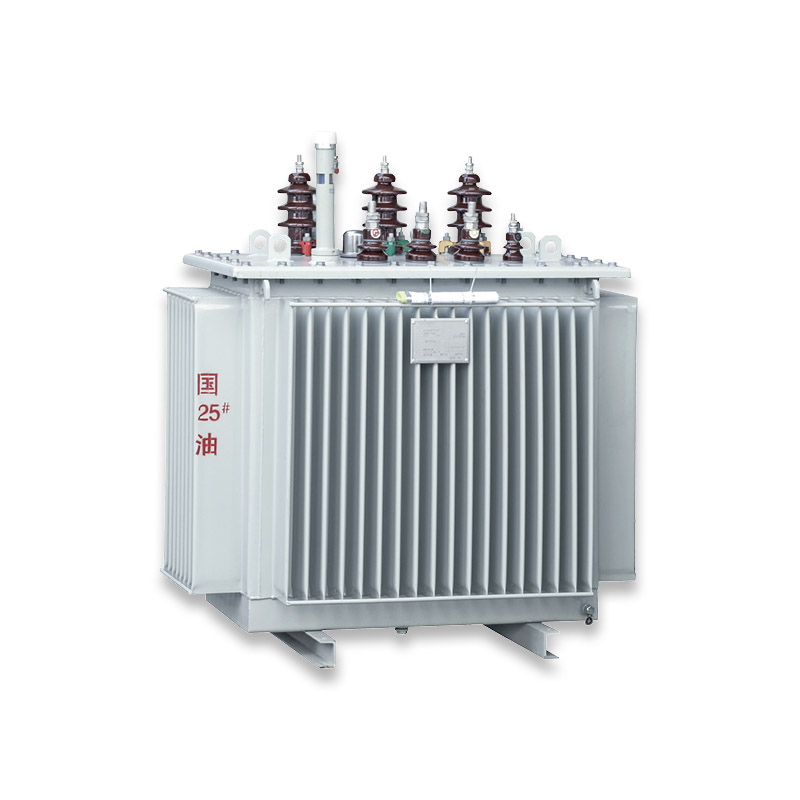
Unlike indoor electrical equipment that requires additional protection buildings, outdoor transformers are designed for direct installation in open environments. Their structure allows them to serve locations where space, construction conditions, or operating environments create challenges.
Several factors explain their continued importance:
| Application Requirement | How Outdoor Transformers Respond |
|---|---|
| Limited installation space | Can be installed outdoors without large electrical rooms |
| Remote power supply needs | Suitable for rural areas, industrial sites, and infrastructure projects |
| Renewable energy connection | Supports power conversion and grid integration |
| Long-term operation | Designed for continuous outdoor working conditions |
For areas with expanding electricity demand, outdoor transformers provide a practical connection between medium-voltage distribution systems and end-use power requirements.
The expansion of renewable energy has changed traditional power flow patterns. Solar and wind projects are often built away from major cities, requiring reliable distribution equipment that can operate in different geographical conditions.
Outdoor transformer systems help connect renewable energy facilities with local distribution networks by managing voltage conversion and maintaining stable power transmission.
As distributed energy resources continue growing, power systems need more flexible equipment that can adapt to different generation locations. Research on future distribution networks highlights that renewable energy growth and electrification are important factors influencing transformer demand.
For example, a solar power project may require transformers positioned close to generation areas, while industrial parks may need dedicated transformers to support increased electricity consumption. Outdoor installation provides greater flexibility during project planning.
Choosing a transformer for outdoor applications involves more than selecting voltage and capacity ratings. Several technical factors influence long-term performance.
Outdoor equipment must handle temperature changes, humidity, dust, and weather exposure. Protection against environmental conditions is essential for maintaining stable operation.
Transformers used in distribution networks must provide consistent voltage conversion and operate safely under different load conditions.
Easy inspection and maintenance access help reduce operational interruptions. Modern transformer designs increasingly consider service convenience and long-term reliability.
For projects using Outdoor Electric Power Transformer 20kV 30kVA 50kVA, these factors are particularly important because smaller-capacity distribution transformers are often installed closer to end-use locations, where stable operation directly affects local power availability.
Medium-voltage transformers with capacities such as 30kVA and 50kVA are commonly used in small-scale distribution scenarios. They can support applications where moderate power demand requires reliable voltage conversion.
Typical applications include:
| Application Area | Common Usage |
|---|---|
| Rural electricity networks | Local power supply and distribution improvement |
| Small industrial facilities | Equipment power requirements |
| Commercial buildings | Stable electricity distribution |
| Agricultural facilities | Supporting irrigation and farm equipment |
| Renewable energy projects | Local grid connection points |
These transformer capacities provide a balance between installation flexibility and power supply capability.
Future distribution networks are expected to become more intelligent, efficient, and adaptable. The development of smart grids is encouraging improvements in monitoring systems, energy efficiency, and equipment management.
Modern transformer development is focusing on several areas:
The transformation of electricity networks also increases the importance of reliable infrastructure equipment. As electricity demand grows from industrial development and digital services, distribution components such as transformers and switchgear will remain essential parts of grid modernization.
When planning a distribution system, engineers usually consider several practical factors:
| Consideration | Reason |
|---|---|
| Voltage level | Ensures compatibility with the existing grid |
| Rated capacity | Matches expected electricity demand |
| Installation environment | Determines protection and structural requirements |
| Maintenance access | Supports long-term operation |
| Future expansion | Allows adaptation to changing power needs |
A suitable transformer design should match current requirements while leaving room for future changes in energy consumption.
Outdoor power transformers remain a fundamental part of modern electricity distribution because they combine installation flexibility, reliable voltage conversion, and adaptability for different environments. As renewable energy, industrial electrification, and grid modernization continue developing, efficient distribution equipment will become increasingly important.
The Outdoor Electric Power Transformer 20kV 30kVA 50kVA represents a practical solution for various distribution scenarios, supporting stable power delivery in rural networks, industrial applications, and renewable energy systems. With its focus on electrical equipment research and production, Jinhand Electrical Co., Ltd. continues developing distribution products including outdoor transformers, switchgear assemblies, and integrated power equipment to meet the changing requirements of modern power networks.