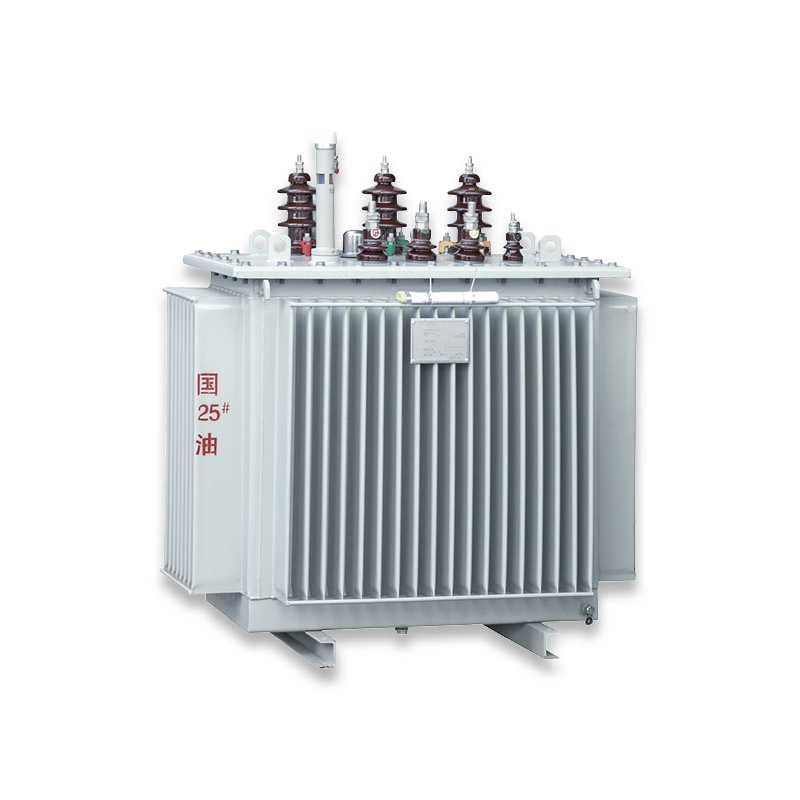
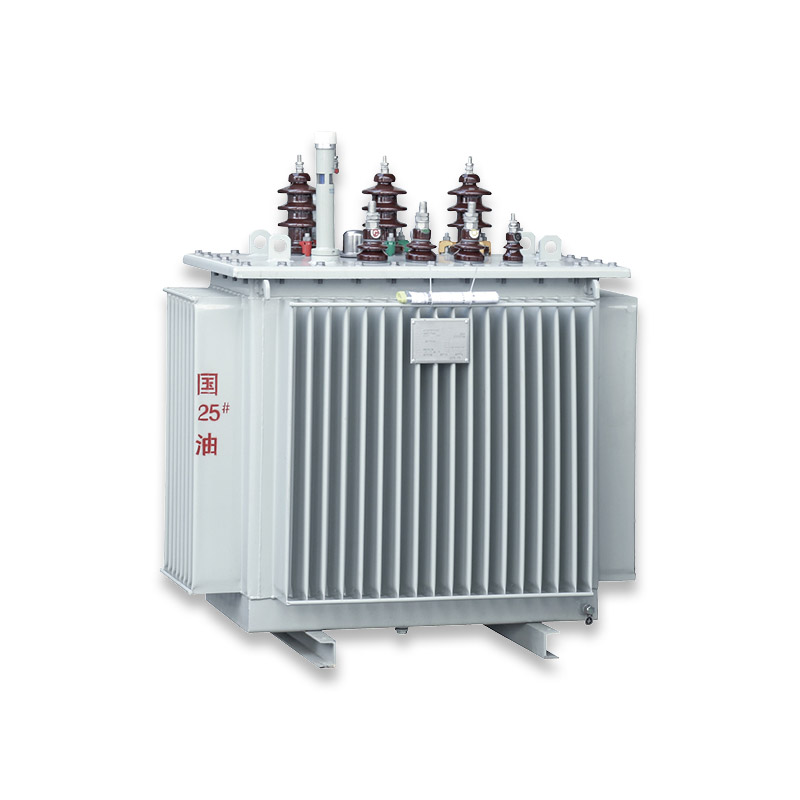
Rural electrification depends on distribution equipment that can deliver stable power across dispersed communities, agricultural areas, and remote facilities. The Outdoor Electric Power Transformer 20kV 30kVA 50kVA represents a capacity range suited to exploring how small-scale distribution infrastructure can serve localized electricity needs.
Extending electricity across rural areas presents different challenges from supplying densely populated cities. Homes, farms, irrigation systems, small workshops, and community facilities may be spread over large distances, while electricity demand varies considerably between locations.
A distribution transformer reduces medium-voltage electricity to a lower voltage suitable for local use. Selecting an appropriate capacity helps match the supply system to expected demand without unnecessarily increasing equipment size or installed capacity.
The 20kV, 30kVA, and 50kVA ratings describe different aspects of a transformer’s application. The 20kV rating identifies the medium-voltage class, while 30kVA and 50kVA indicate apparent-power capacities. These ratings are not interchangeable: the required configuration depends on the local distribution network, output voltage, connected loads, and applicable electrical standards.
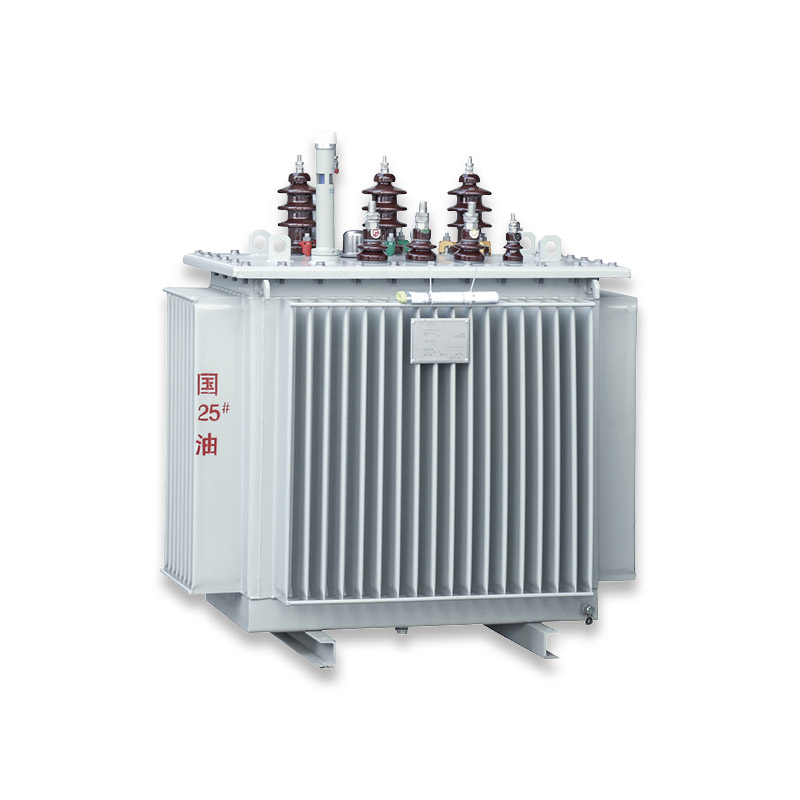
For rural grids, the objective is to balance capacity, voltage quality, installation conditions, and long-term operating requirements.
Smaller distribution transformers can serve localized loads where the connected demand does not require a large substation. Their suitability depends on the number of connections, household consumption patterns, agricultural activity, and anticipated community development.
A 30kVA unit may suit a relatively small group of households with modest electricity demand. A 50kVA unit provides greater rated capacity for locations with additional connections or higher simultaneous demand. Neither rating corresponds to a fixed number of households, because heating, cooking, water pumping, and other electrical loads vary by region.
Irrigation pumps, grain-processing equipment, storage buildings, and farm workshops can create concentrated loads in rural areas. These applications require attention to motor starting current, operating schedules, and peak demand rather than simply adding up the nameplate ratings of connected appliances.
Small shops, clinics, schools, and local service facilities need stable electricity for lighting, refrigeration, communications, and equipment. A correctly sized transformer helps supply these loads while allowing the distribution network to operate within its designed limits.
Outdoor installation can reduce the need for a dedicated indoor electrical room, but it introduces other design considerations. Weather exposure, lightning, grounding, physical access, and installation clearances all affect the overall arrangement.
|
Planning Factor |
Why It Matters |
|---|---|
|
Primary voltage |
Must match the distribution network's rated voltage |
|
Rated capacity |
Must accommodate expected demand and reasonable future growth |
|
Installation location |
Affects cable length, voltage drop, access, and safety clearances |
|
Environmental protection |
Must suit local temperature, rainfall, humidity, and contamination |
|
Maintenance access |
Allows inspection and servicing throughout the equipment's operating life |
Capacity planning should consider both present demand and future development. Rural electrification guidance has long emphasized placing transformers near load centers and evaluating expected demand over a multiyear planning period.
Rural electricity networks are changing as communities add new homes, agricultural machinery, telecommunications equipment, and distributed renewable energy. These changes make accurate load assessment increasingly important. A transformer selected only for today's demand may become undersized as local electricity use grows.
The Outdoor Electric Power Transformer 20kV 30kVA 50kVA illustrates a capacity range relevant to smaller distribution applications. Its practical role depends on matching the voltage rating, phase arrangement, output voltage, protection requirements, and installation conditions to the local network.
For rural grids, effective transformer selection is ultimately about more than rated capacity. Appropriate sizing, sensible placement, environmental suitability, and long-term load planning work together to support stable electricity access for households, farms, and community facilities.
As rural electrification expands, the Outdoor Electric Power Transformer 20kV 30kVA 50kVA remains a useful reference point for understanding how appropriately sized outdoor distribution equipment can support localized power networks.
-