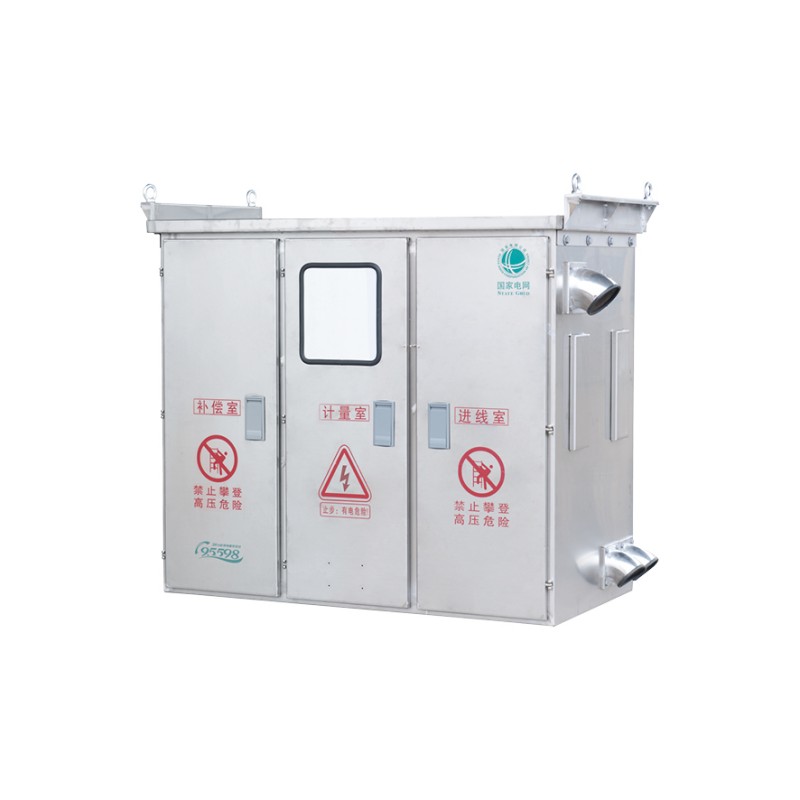
Low voltage switchgear is a critical component in modern electrical systems, providing control, protection, and isolation for electrical circuits and equipment. This comprehensive guide explores the technical features, selection criteria, and practical applications of low voltage switchgear. It also addresses common challenges faced by manufacturers, contractors, and end-users, and provides actionable insights for improving system reliability and operational safety. Jinhand specializes in delivering high-performance low voltage switchgear solutions that meet industry standards and client-specific requirements.

Low voltage switchgear refers to assemblies designed for operating, protecting, and isolating electrical equipment in circuits with voltages typically below 1000V AC. They ensure the safe distribution of electricity in industrial plants, commercial buildings, and infrastructure projects. Modern switchgear combines high-performance insulation, precise control mechanisms, and robust enclosures to enhance both safety and operational efficiency.
Jinhand manufactures low voltage switchgear that integrates advanced monitoring and control features, allowing users to prevent overloads, short circuits, and unexpected equipment downtime.
Customers often face difficulties when specifying or installing low voltage switchgear. Understanding these pain points helps in selecting the right solution and avoiding costly mistakes.
Low voltage switchgear can be categorized based on construction, usage, and operating mechanisms. Each type offers unique benefits tailored to different applications.
Selecting appropriate low voltage switchgear involves technical, operational, and regulatory considerations. A systematic approach ensures safety, efficiency, and scalability.
Jinhand offers expert consultation to help clients select switchgear that balances safety, performance, and cost-effectiveness.
Proper installation and operation are crucial for maximizing the performance and lifespan of low voltage switchgear. Key considerations include:
| Type | Voltage Range | Key Advantages | Typical Applications |
|---|---|---|---|
| Metal-Enclosed | Up to 1000V | Compact, secure housing | Industrial distribution |
| Metal-Clad | Up to 1000V | High safety, compartmentalized | Critical plants and factories |
| Molded Case | Up to 600V | Modular, easy installation | Commercial buildings, small networks |
| ACB Panels | Up to 1000V | High interruption capacity | Large industrial loads |
| VCB Panels | Up to 1000V | Low maintenance, long life | Manufacturing plants, utility grids |
Routine maintenance ensures the reliability and longevity of low voltage switchgear. Recommended practices include:
Jinhand’s switchgear designs simplify maintenance, reducing downtime and minimizing operational risks.
Low voltage switchgear is used in a wide range of industrial, commercial, and infrastructural applications, including:
What is the difference between metal-enclosed and metal-clad switchgear?
Metal-clad switchgear offers enhanced safety by segregating compartments and reducing arc fault risks, while metal-enclosed is simpler and more compact.
How often should low voltage switchgear be maintained?
Routine inspection is recommended every 6 to 12 months, depending on operational conditions and load cycles.
Can low voltage switchgear be expanded for future load increases?
Yes, modular designs and proper planning allow for system expansion without major rewiring or equipment replacement.
Is online monitoring possible for low voltage switchgear?
Modern switchgear supports integration with digital monitoring systems, allowing real-time data collection and remote diagnostics.
Low voltage switchgear is essential for safe and efficient electrical distribution. Selecting the right type, ensuring proper installation, and performing regular maintenance are critical to operational reliability. By addressing common pain points and adhering to best practices, businesses can achieve safer, more efficient, and scalable electrical systems.
Jinhand provides high-quality low voltage switchgear solutions tailored to your specific requirements. If you want to improve system safety, optimize performance, or require expert guidance, contact us today and discover how Jinhand can support your electrical infrastructure projects.