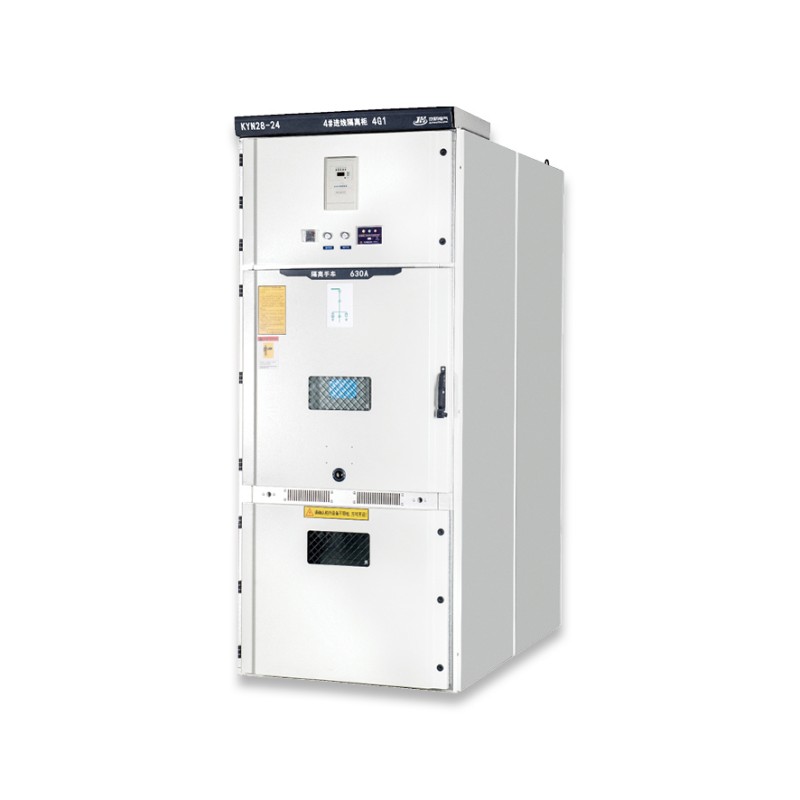
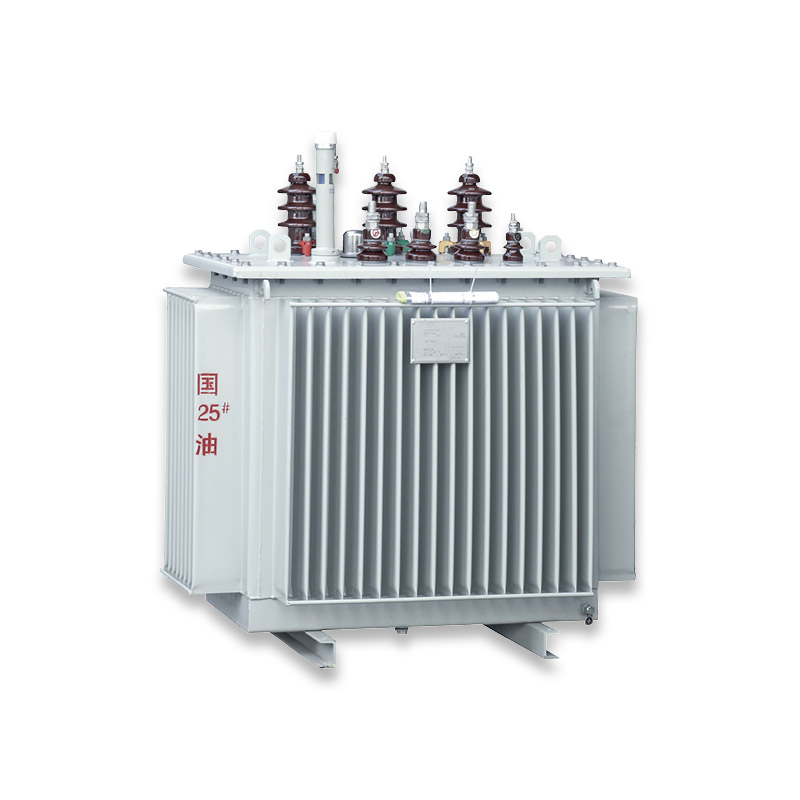
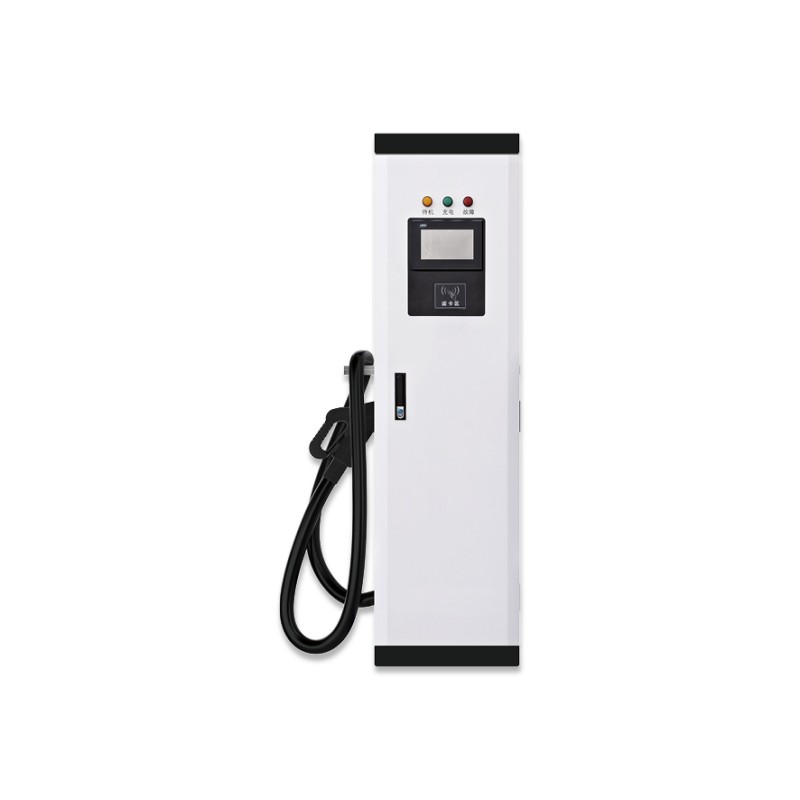
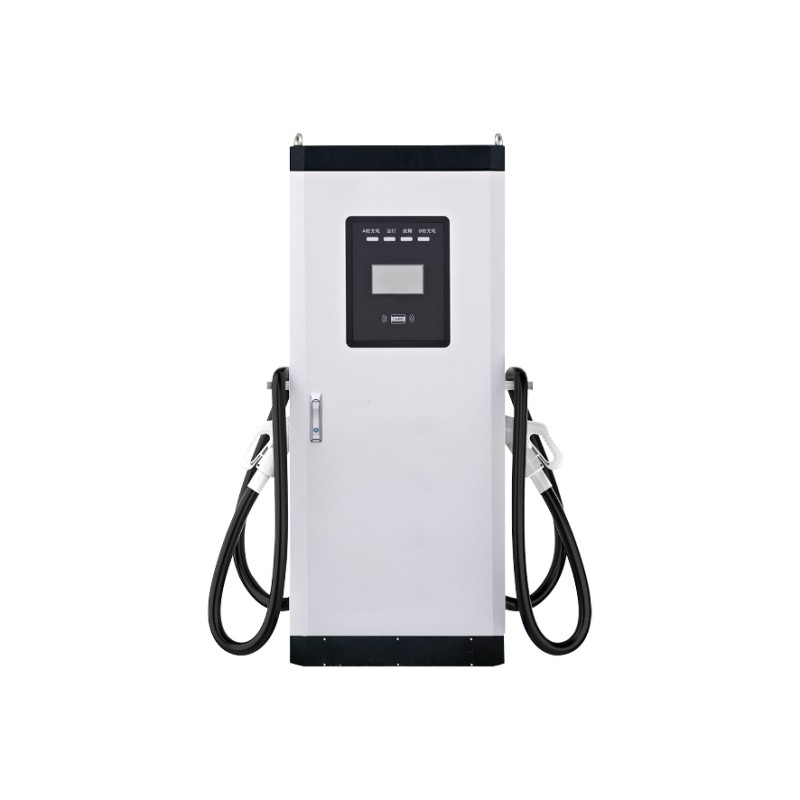
Jinhand Electrical Co., Ltd. highlights how modern Low Voltage Switchgear solutions are helping industries reduce installation space while maintaining reliable power distribution performance.
Electrical rooms are becoming smaller while power requirements continue to increase. Industrial plants, commercial buildings, renewable energy facilities, and infrastructure projects all face the same challenge: how to install reliable power distribution equipment without occupying excessive floor space.
Traditional switchgear systems often require large installation areas because of separated components, complex wiring arrangements, and reserved maintenance space. While these designs can provide stable operation, they may limit overall project flexibility and increase construction costs.
Today, compact electrical design has become an important trend. Modern Low Voltage Switchgear focuses not only on electrical protection but also on improving space utilization through optimized structures, integrated functions, and more efficient internal layouts.
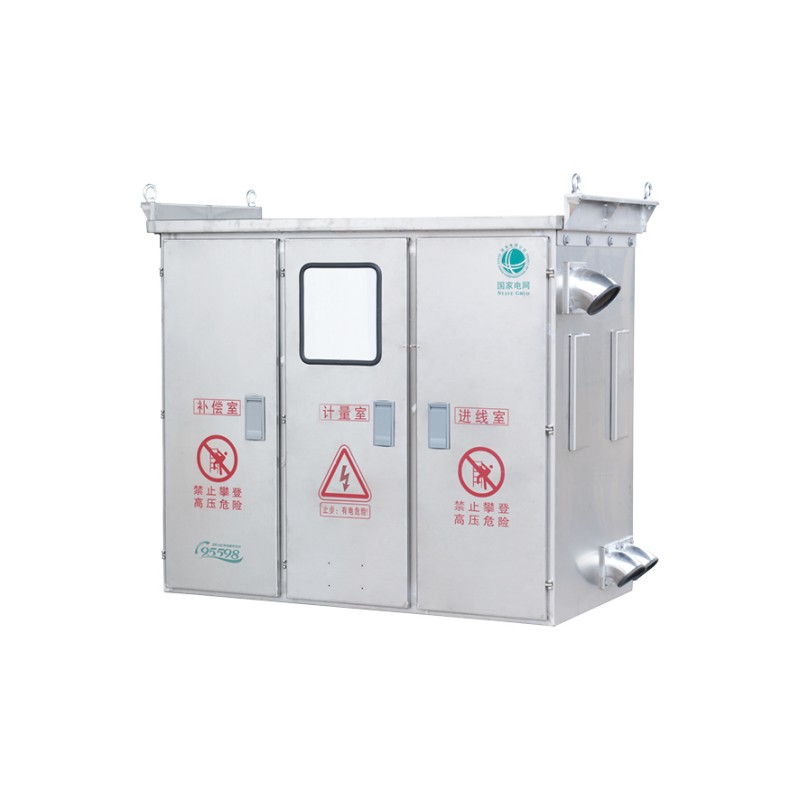
The footprint of electrical equipment is influenced by several design factors. A larger cabinet does not always mean better performance. In many cases, inefficient internal arrangements create unnecessary space requirements.
| Space Issue | Main Reason | Possible Impact |
|---|---|---|
| Oversized cabinet structure | Traditional design methods | Larger electrical rooms |
| Separate equipment installation | Independent functional units | More installation space needed |
| Complex cable routing | Poor internal organization | Difficult maintenance and management |
| Excessive expansion allowance | Lack of accurate planning | Reduced space efficiency |
For modern projects, especially those with limited installation areas, optimizing switchgear dimensions has become an important part of electrical system planning.
The development of electrical technology has changed the way distribution equipment is designed. Instead of increasing cabinet size, engineers are focusing on improving component integration and structural efficiency.
Modern switchgear uses improved layouts to organize breakers, control devices, busbars, and connection systems more efficiently. This helps reduce unused internal space while maintaining necessary insulation distance and operational safety.
Combining multiple distribution functions into a single coordinated assembly can reduce the number of separate cabinets required. This approach is especially useful in projects where electrical rooms have strict space limitations.
A compact design should not sacrifice accessibility. Well-designed equipment provides clear operating areas and convenient inspection points, allowing maintenance work to be carried out efficiently.
Jinhand Electrical Co., Ltd. specializes in electrical equipment rated 35kV and below, including high and low-voltage switchgear assemblies, integrated distribution boxes, cable branch boxes, gas-insulated switchgear, and solid-insulated switchgear. Through advanced production facilities and a complete quality management system, the company supports stable performance for various power applications.
The rapid growth of renewable energy has increased demand for flexible electrical installations. Solar power plants, wind farms, and energy storage facilities often require reliable distribution systems in locations where available space is limited.
Compact Low Voltage Switchgear helps these projects achieve better equipment arrangement while supporting safe power distribution. Smaller footprints can simplify electrical room design and provide more flexibility for future expansion.
In addition, renewable energy facilities are often built in remote areas where installation efficiency and equipment reliability are equally important. Optimized switchgear structures can reduce construction complexity while maintaining long-term operational requirements.
Reducing equipment size should not be the only goal. A suitable switchgear solution needs to balance space efficiency, safety, reliability, and application requirements.
| Evaluation Factor | Importance |
|---|---|
| Cabinet design | Determines installation footprint and space utilization |
| Electrical performance | Ensures stable operation under rated conditions |
| Protection functions | Helps improve system safety |
| Testing capability | Supports product reliability and consistency |
| Application compatibility | Ensures suitability for different power systems |
A compact design is valuable only when it continues to meet practical operating needs.
As industries move toward smarter and more efficient electrical systems, compact switchgear technology will continue developing. Future solutions will focus on smaller footprints, improved integration, easier maintenance, and stronger adaptability for renewable energy applications.
The challenge is no longer simply providing electrical protection. Modern distribution equipment must also fit increasingly complex project environments where space, efficiency, and reliability are equally important.
With experience in electrical equipment research and production, Jinhand Electrical Co., Ltd. continues developing solutions such as Low Voltage Switchgear, high and low-voltage switchgear assemblies, integrated distribution boxes, and cable branch boxes to support modern power distribution requirements. Compact design is becoming an important direction for electrical infrastructure, helping projects achieve better space utilization without compromising operational stability.