Jinhand Electrical Co., Ltd. explores how New Energy Power Distribution Switchgear is changing as the power industry moves toward safer and greener technologies beyond SF₆-based solutions.
For decades, sulfur hexafluoride (SF₆) gas has been widely used in medium-voltage switchgear because of its excellent insulation and arc-extinguishing performance. However, growing attention toward greenhouse gas emissions and environmental responsibility is encouraging the power sector to explore alternatives that can provide reliable protection without relying on high-impact gases.
This shift is becoming especially important in renewable energy projects. Wind farms, solar power stations, energy storage facilities, and modern urban grids require distribution equipment that can operate efficiently while meeting stricter environmental expectations.
As a result, New Energy Power Distribution Switchgear is becoming an important direction in the development of next-generation electrical systems. These solutions focus on combining safety, reliability, compact design, and environmental compatibility to support the changing needs of new energy networks.
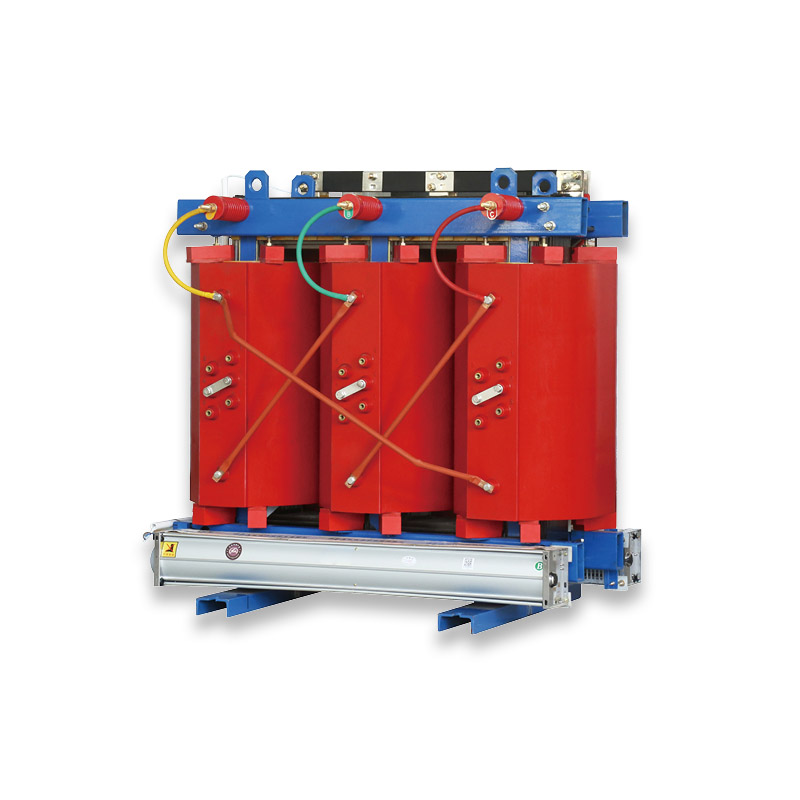
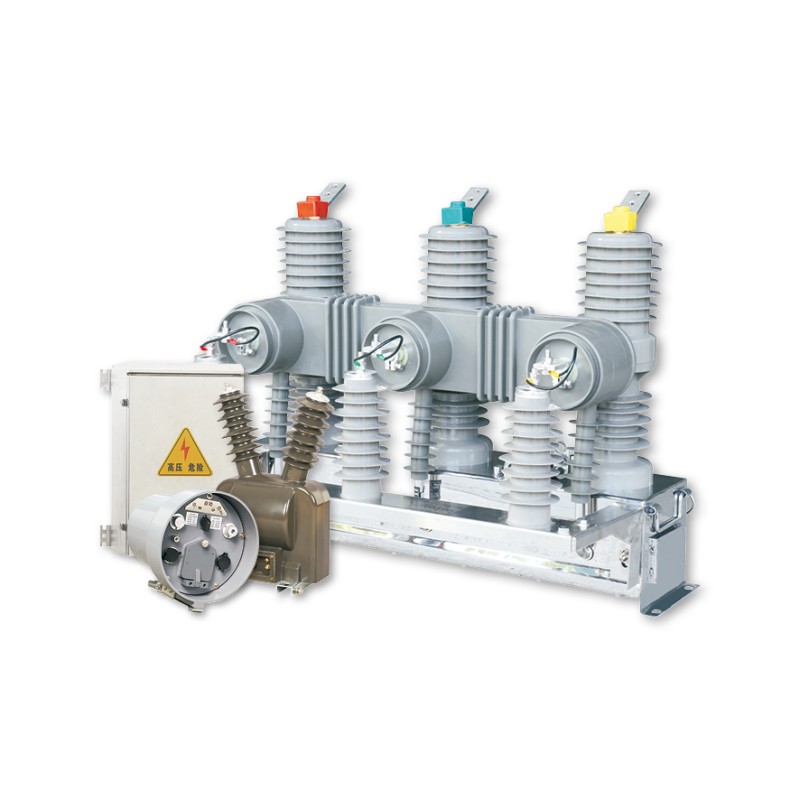
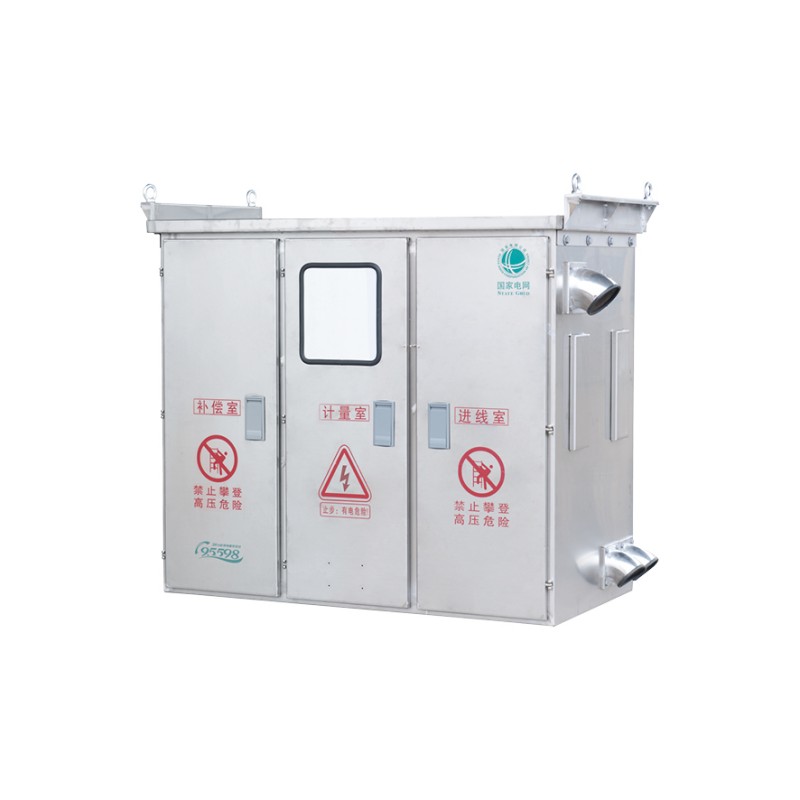
Jinhand Electrical Co., Ltd., a high-tech industrial enterprise integrating research, production, and technical development, has been focusing on electrical equipment rated 35kV and below. Its product range includes gas-insulated switchgear, ring main units, solid-insulated switchgear, high and low-voltage switchgear assemblies, cable branch boxes, integrated distribution boxes, and related operating mechanisms.
The move away from SF₆ does not mean simply replacing one material with another. It represents a broader transformation in how electrical distribution systems are designed and operated.
Modern power networks face several challenges:
| Industry Challenge | Traditional Concern | New Direction |
|---|---|---|
| Environmental impact | SF₆ has a high global warming potential | Development of SF₆-free insulation technologies |
| Renewable energy expansion | Fluctuating power generation requires flexible systems | More adaptable distribution equipment |
| Urban power demand | Limited installation space | Compact and integrated designs |
| Long-term operation | Equipment reliability over decades | Stronger testing and quality control systems |
The increasing use of renewable energy has created new requirements for medium-voltage equipment. Unlike traditional power sources with relatively stable output characteristics, renewable energy systems often involve multiple generation points and changing operating conditions. Distribution equipment must therefore provide stable protection and efficient power management.
SF₆-free switchgear technologies generally use alternative insulation methods, including solid insulation, environmentally friendly gases, or vacuum-based interruption technologies. These approaches aim to maintain electrical performance while reducing environmental concerns.
For new energy projects, the advantages are becoming increasingly noticeable:
Reducing dependence on SF₆ helps power systems move closer to sustainability goals. As governments and industries strengthen carbon reduction policies, environmentally responsible equipment selection is becoming an important consideration during infrastructure planning.
Solar and wind power facilities are often located in areas with unique environmental conditions. Equipment used in these applications needs to withstand temperature changes, humidity, dust, and long operating periods.
Modern switchgear solutions are designed with improved sealing structures, testing procedures, and operational reliability to support these demanding environments.
Space efficiency is another important factor. Many renewable energy projects require compact substations and optimized electrical layouts. Integrated switchgear designs help reduce installation complexity while maintaining necessary protection functions.
While environmental performance is becoming a major focus, reliability remains the foundation of power distribution equipment. Electrical systems in renewable energy projects often operate continuously for many years, making quality control, testing capability, and production consistency essential factors.
Jinhand Electrical Co., Ltd. has developed a comprehensive quality management system supported by advanced production and testing facilities. The company has introduced internationally advanced computerized constant-current testing equipment and automated production lines to improve product stability and ensure that electrical equipment meets demanding operational requirements.
For equipment used in New Energy Power Distribution Switchgear applications, several technical factors are receiving increasing attention:
| Key Factor | Why It Matters in New Energy Systems |
|---|---|
| Insulation performance | Helps maintain stable operation under different voltage and environmental conditions |
| Mechanical reliability | Ensures switching operations remain dependable during long service periods |
| Safety protection | Reduces risks caused by electrical faults and abnormal conditions |
| Compact structure | Supports flexible installation in renewable energy facilities |
| Testing standards | Provides confidence in product consistency and operational performance |
These factors show that the transition from SF₆-based equipment is not only an environmental decision but also an opportunity to improve the overall design philosophy of power distribution systems.
The growth of renewable energy has expanded the application areas of advanced switchgear technologies. From large-scale power generation facilities to urban distribution networks, reliable medium-voltage equipment plays an important role in maintaining electricity supply.
Wind farms are often installed in remote locations where maintenance access can be challenging. Switchgear used in these environments needs strong protection capability and stable performance under changing weather conditions.
Reliable ring main units and gas-insulated or solid-insulated solutions help manage power collection and transmission processes while supporting safe operation.
Solar projects usually include multiple generation units connected through complex electrical networks. Efficient distribution equipment helps control power flow and provides protection during abnormal situations.
Integrated distribution boxes and medium-voltage switchgear assemblies can simplify system layouts and improve operational management.
Hydropower stations and traditional grid connection projects also require dependable electrical protection. Equipment designed for different power grid levels helps maintain stable energy transmission and supports the modernization of existing infrastructure.
As the energy sector continues changing, electrical equipment selection is becoming more focused on long-term value rather than only initial specifications. The following aspects are becoming important considerations:
| Evaluation Area | Questions to Consider |
|---|---|
| Technology approach | Does the equipment support future environmental requirements? |
| Application suitability | Is it suitable for renewable energy operating conditions? |
| Production capability | Does the supplier have reliable manufacturing processes and testing systems? |
| Product range | Can different power distribution needs be supported? |
| Quality management | Are inspection procedures and quality systems clearly established? |
These considerations help ensure that power distribution systems remain dependable as energy structures continue to evolve.
The transition away from SF₆-based solutions reflects a wider movement toward cleaner, safer, and more intelligent power infrastructure. As renewable energy continues expanding, electrical equipment must balance environmental responsibility with practical performance.
Future distribution systems will likely place greater emphasis on compact structures, digital monitoring, improved safety features, and environmentally friendly insulation technologies. These trends will influence how power networks are planned and operated in the coming years.
Companies with strong technical foundations and continuous innovation capabilities will play an important role in supporting this transformation. With experience in electrical equipment research and production, Jinhand Electrical Co., Ltd. continues developing solutions including gas-insulated switchgear, ring main units, solid-insulated switchgear, high and low-voltage switchgear assemblies, cable branch boxes, and integrated distribution boxes to meet evolving requirements across power applications.
The shift from SF₆-free technologies is not simply a replacement of one type of equipment, but a step toward more sustainable and reliable energy infrastructure. Through advances in New Energy Power Distribution Switchgear, the industry is moving closer to power networks that combine environmental awareness, operational safety, and long-term stability.